Entitled ADC leaders and APC factor
A DAY before they took to the streets last Wednesday in protest against INEC’s delisting of the leadership of their party, African Democratic Congress (ADC) leaders quietly filed a suit
A DAY before they took to the streets last Wednesday in protest against INEC's delisting of the leadership of their party, African Democratic Congress (ADC) leaders quietly filed a suit against the electoral body over its interpretation of the March 12 Court of Appeal judgement ordering all parties to the leadership dispute in the opposition party to maintain status quo ante bellum. They were simply hedging their bets. Firstly, from the new case filed in court, they obviously knew that no amount of street activism could reverse the Independent National Electoral Commission's decision, even if the decision was arrived at mala fide. But, secondly, they also hoped that their instinctive preference for street action, which they actualised the following day, could create a shortcut to achieving their aims by galvanising Nigerians against the (INEC) and forcing the electoral body's hands. All said, by hedging their bets, they could claim they respected the rule of law, though they disingenuously tried to undermine it.
In the past few weeks, ADC leaders who claimed that the party had become the main opposition coalition party had demonstrated their increasing discomfort with how the pre-2027 elections campaign was shaping out. Repeatedly outflanked by the All Progressives Congress (APC), and with about 32 governors now in the fold of the ruling party, they feared the elections might be a foregone conclusion. Fidelity to the rule of law, they have really begun to suspect, might lead to being repeatedly wrong-footed by the APC. But whether their one-day, few hours 'march on INEC' could change the political outlook remains to be seen. The real problem they face, but which they continue to pretend does not confront them, is that they made a mess of taking over the ADC, and have since then run it incompetently. Their fixation is with winning the presidency, and they have thus reserved their main energy for minding mainly the presidential ambition of their party.
A cursory biographical sketch of the main leaders of the party shows why they are at sixes and sevens over the running of their party. Of those who have governed states among them, such as Rotimi Amaechi, Rauf Aregbesola, Aminu Tambuwal, Peter Obi, and Rabiu Kwankwaso, none had shown any proof of stellar achievements that deeply affected or re-engineered the administrative superstructure of their states. In fact, they were either full of hype, such as Mr Obi, or chaotic, as in the case of Mr Aregbesola. Their main leader, ex-vice president Atiku Abubakar, never ran anything. Instead, he did valiantly by pumping himself full of entitlement spirit and spoke as if he was the alternate president of the republic during the Olusegun Obasanjo administration. Former army general, David Mark, never managed to shake off the toga of an anti-democrat, despite presiding over the senate for two terms. Having taken over the ADC, all the aforesaid leaders simply remained transfixed with the national side of their party, shunned the state chapters as if they were lepers, doubled down on propaganda, and prospected the downfall of the republic if they could not have her.
Advertisement
300x250
Read Also: FG cuts import duties on cars, rice, others in 2026 policy
Yet, they always knew that the more sensible option, after the March 12 Court of Appeal debacle, was to return to court and try and salvage an impossible situation caused by their own appalling acts of omission. They are now finally back in court; but it is unclear if their self-inflicted crises can be ameliorated or salvaged. They have stubbornly stuck to a narrow interpretation of certain Supreme Court rulings that seemed to bar the courts from interfering in the internal affairs of political parties. They hope that the courts can, going forward, give them a licence to commit murder. But how to hide the corpse would be their main challenge. They have also tried to avoid doing anything to force an outcome; but INEC, to their dismay, now appears bolder and juridically sounder than to evade or connive at their shenanigans. By engaging in legal sleight of hand, they had in addition tried to avoid being confronted with a potential case of criminal forgery when they waved before the public what they alleged was proof that the litigious national deputy chairman of their party, Nafiu Bala Gombe, had resigned his position before the takeover of the ADC. Now, they may find that galling conundrum difficult to resolve.
When the ADC leaders marched on INEC, perhaps hoping it could recreate Adolf Hitler's 1923 Beer Hall Putsch in Munich, they never countenanced the very public riposte of Mr Gombe's faction, which also headed for the streets a day after with their own petitions to INEC. The ADC is in effect today split into three factions, and the three are doubling down remorselessly and bitterly. What is becoming sadly clearer by the day is that the entire takeover of the ADC last year by the Alhaji Atiku-led group reads like a manifesto of gangster tactics incompetently executed in clear breach of national and party constitutions. There is no conceivable way to remedy the errors except perhaps to buy out the litigants and incorporate them into the higher echelons of the party, a tactics they are used to and have financed with gusto. But if the litigants insist they are not for sale, or simply just loath the usurpers, then the Alhaji Atiku crowd will be left with only one option: foment national chaos and burn the barn.
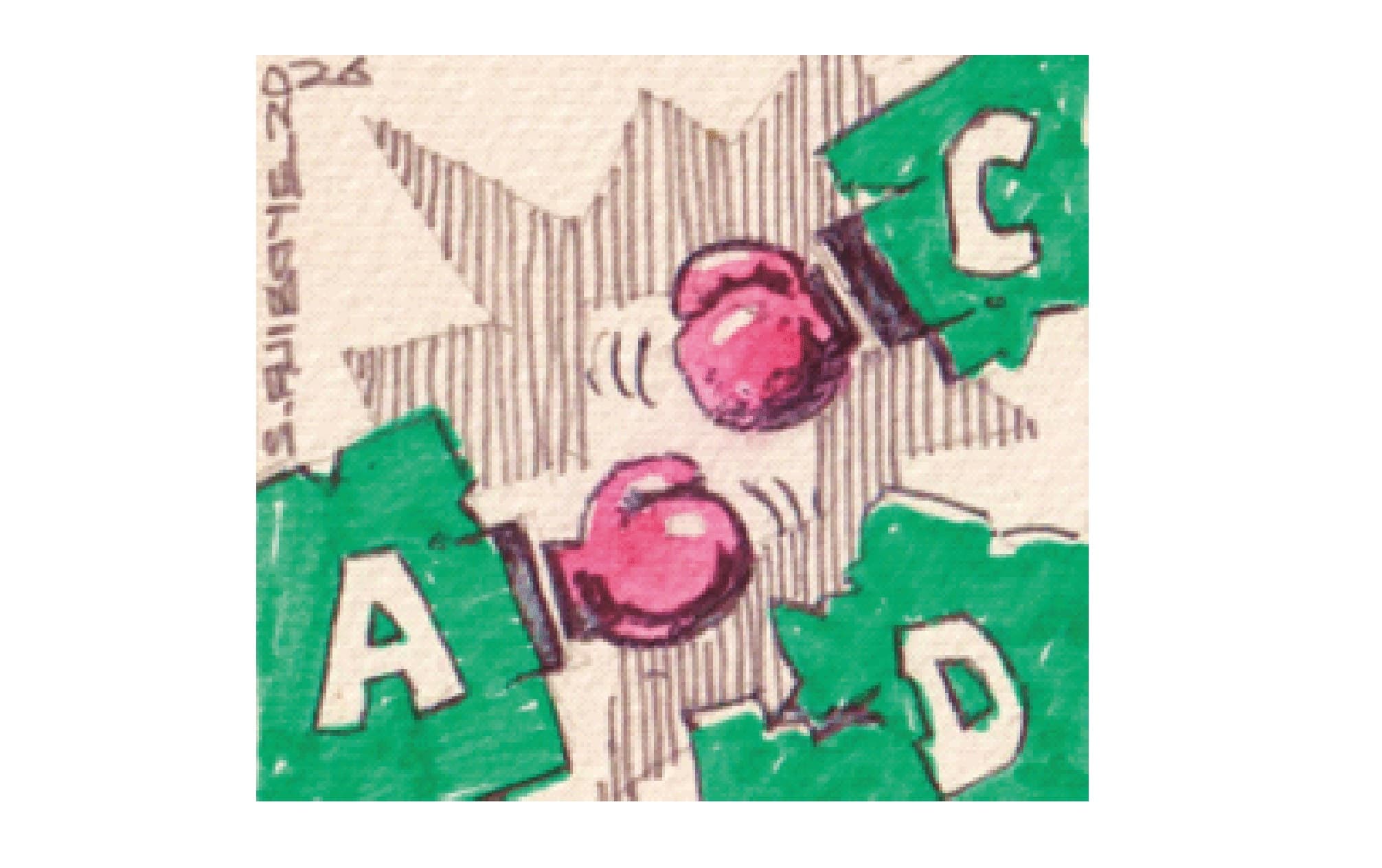
This is where the APC factor comes in. Given the ADC crisis timelines, from Genesis to Revelation, neither the APC nor President Bola Tinubu contributed anything to provoking the crisis within the coalition party. It was entirely the decision of the coalition crowd to take over or buy out the ADC, having faltered in taking over another party, the Social Democratic Party (SDP), which resisted their attempts and spurned their gifts. It was not also the APC or the president who directed or inspired the coalition leaders to make a mess of their takeover plans. By going public and appealing to sentiments, ADC leaders were simply trying to excuse their lack of political finesse. Their list of demands to INEC remains baffling: (a) Immediate resignation of the INEC Chairman or his removal by appropriate constitutional authorities; (b) Withdrawal of INEC's offensive correspondence to the ADC; (c) Formal apology from INEC to the ADC; and (d) Commitment by INEC to refrain from interference in the internal affairs of political parties.
The embattled ADC leaders know they cannot get their wishes. They have, therefore, gone a little further to threaten enforcement and street protests. It is a waste of time. For unfortunately for them, INEC has become more officious and legally punctilious, and will resist intimidation as well as wait for the courts to decide, especially because the factional ADC leaders have also threatened legal action. There will be no mention of the APC in the suits, for that would be flying off on a fruitless tangent. The more frustrated they become, however, the nastier they get. They showed their vituperative worst last Wednesday when they shifted the blame from their inexpert administrative capability to what they described as APC's political intolerance, and especially the president whom they likened to a military dictator, and whose democratic credentials during the pro-democracy days they also questioned. President Tinubu will, therefore, remain a huge, invoked presence in the image-battering general election campaigns of the factional ADC leaders. The opposition leaders will in fact do anything but let attention be drawn to their administrative incompetence amply demonstrated by their awkward reaction to the simple demands made on them in their adopted party.