NIESV canvasses Corridor-Based Real Estate Development Strategy
To drive sustainable urban growth, the Nigerian Institution of Estate Surveyors and Valuers has outlined strategic pathways to aligning real estate development with infrastructure investment corridors. The recommendations were made

To drive sustainable urban growth, the Nigerian Institution of Estate Surveyors and Valuers has outlined strategic pathways to aligning real estate development with infrastructure investment corridors.
The recommendations were made during the institution’s 56th annual conference in Abia State, where industry experts emphasised the need for data-driven planning, regulatory compliance, and stakeholder collaboration.
Participants noted that large-scale infrastructure projects such as highways, rail lines, airports, and industrial hubs play a critical role in shaping property values and urban expansion.
They stressed that early identification of growth corridors, combined with professional guidance on land acquisition and development timing, could unlock significant economic value while reducing investment risks.
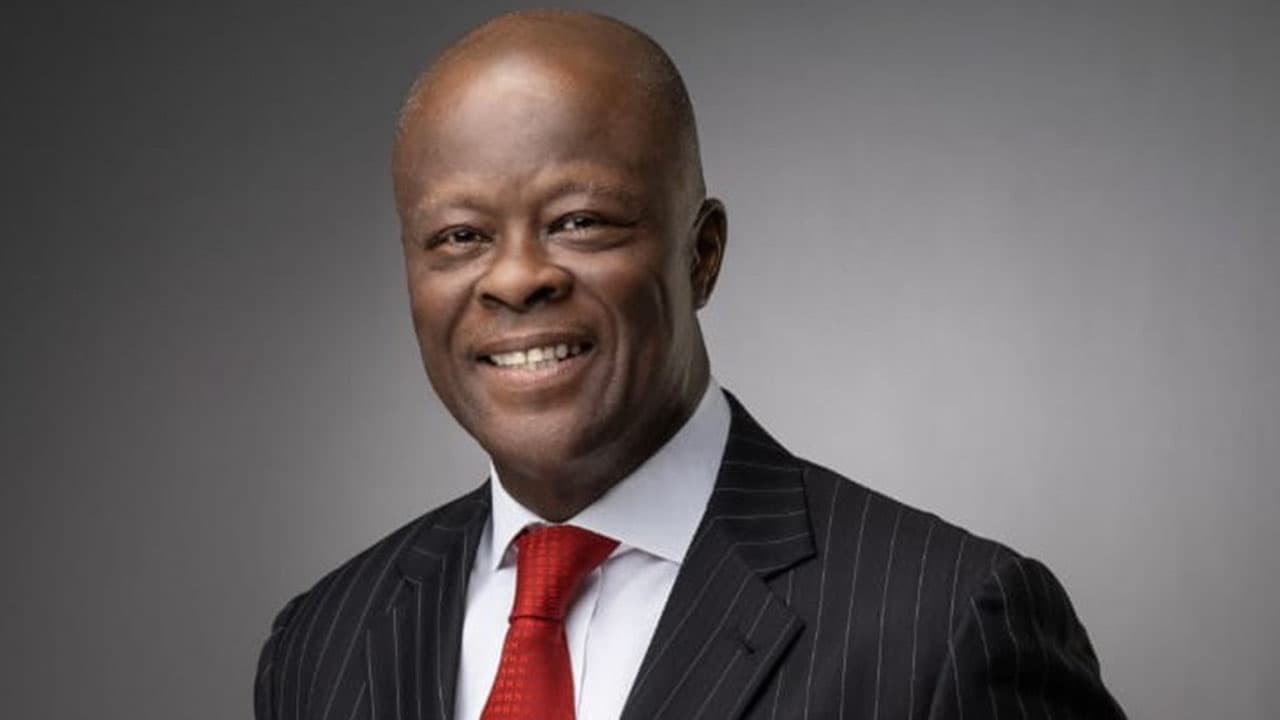
NIESV’s President Victor Alonge, said estate surveyors must bridge the gap between infrastructure provision and real estate development to ensure inclusive and resilient growth.
He explained that the conference theme focused on rethinking real estate development within the context of ongoing infrastructure investments, particularly under the Federal Government’s Renewed Hope Agenda.
According to him, infrastructure corridors have the potential to stimulate economic growth, improve connectivity, and enhance regional integration across the country.
Read Also: Alleged coup: Six arraigned, remanded in DSS' custody as court sets Monday for trial
Experts warned, however, that corridor-based development must be supported by strong institutions and coordinated policy frameworks to prevent unregulated expansion and speculative land practices.
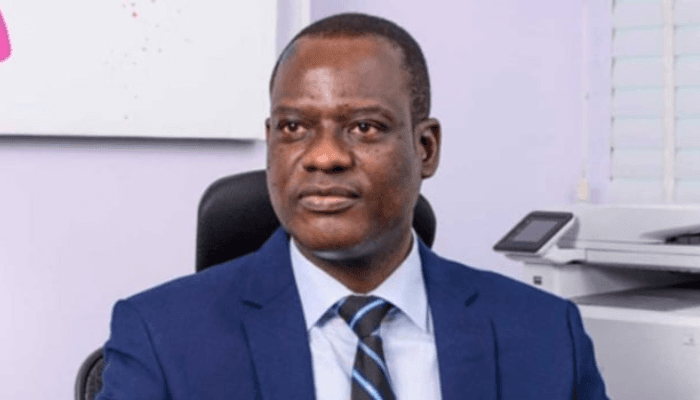
Second Vice President Emmanuel Mark, called for the establishment of a national corridor planning framework backed by legal and institutional support.
He urged the Federal Government to promote integrated planning that aligns transport, energy, and digital infrastructure within designated development corridors.
Mark also advocated for empowering state governments to implement corridor-specific land governance systems, noting that structured planning would help prevent land speculation and ensure orderly development.
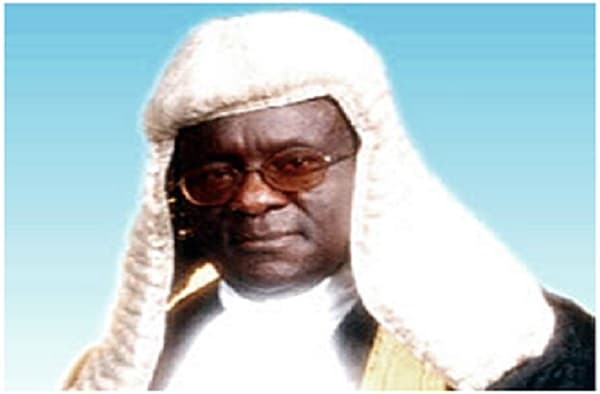
Professor Bankole Awuzie highlighted the broader economic implications of infrastructure-led development, noting that such projects redefine land values and influence regional growth patterns.
He cautioned that while corridor development offers significant opportunities, it also poses risks such as inequality, fragmentation, and weak governance if not properly managed.