Our plans for 15m households, by Humanitarian Minister
The Federal Government has come up with different programmes to tackle poverty and ensure that its threshold is reduced to the barest minimum. To that end Minister of Humanitarian Affairs

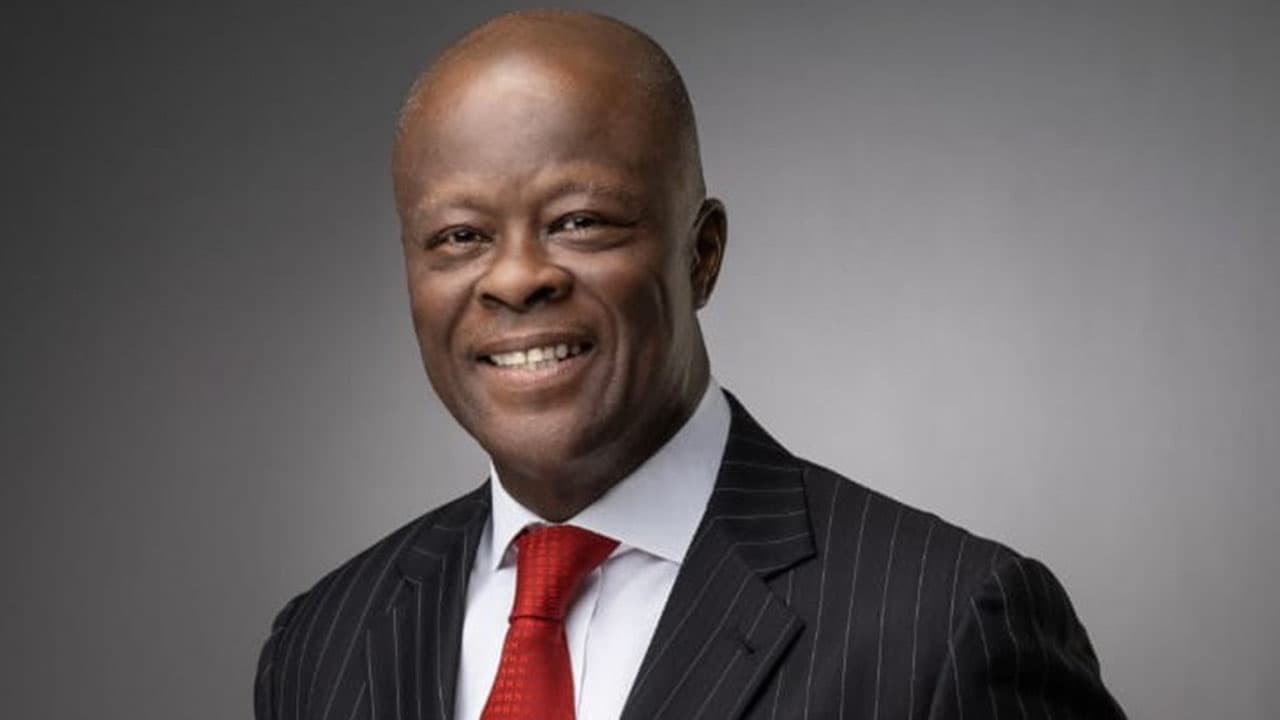
The Federal Government has come up with different programmes to tackle poverty and ensure that its threshold is reduced to the barest minimum. To that end Minister of Humanitarian Affairs and Poverty Reduction, Dr. Bernard Doro, says the country is shifting toward a more coordinated and results-driven approach to humanitarian response and poverty reduction, with a focus on moving vulnerable Nigerians toward productivity and long-term stability. He spoke with Asst. Editor, Okwy Iroegbu-Chikezie
On the need to end fragmented interventions, he said it’s laudable in addition to strengthening the National Social Register and building a unified system that connects humanitarian support to measurable outcomes.
He told The Nation that he has a clear mandate aligned with the core responsibilities of the Ministry, which include coordinating humanitarian response, disaster management, and social protection for vulnerable populations.
“Our focus is on building a system that is structured, accountable, and responsive. This involves strengthening policy coordination, improving inter-agency collaboration, and deploying technology to enhance service delivery. Ultimately, the goal is to ensure that interventions are not only timely but effective and measurable.
How are you coordinating poverty reduction efforts under the current administration?
We are strengthening the National Social Register as the foundation for targeting and coordination. A unified social protection system is critical if we are to achieve meaningful results.
In the past, fragmentation has reduced the impact of interventions. What we are doing now is aligning programmes, deepening collaboration with state and local governments, and creating clear pathways that allow beneficiaries to move from vulnerability to productivity.
I am of the belief that poverty reduction must go beyond relief and be structured in a way that leads to economic inclusion and long-term stability.
On the importance of the National Council on Humanitarian Affairs and Poverty Reduction
Read Also: Edun, Dangiwa resigned, not sacked — Presidency clarifies
He said the Council represents a shift from isolated efforts to coordinated action that brings together federal, state, and local actors, along with development partners, to align strategies and responses. He added that the nation’s challenges are interconnected.
According to him, poverty, displacement, and vulnerability cannot be addressed in silos. This is why the Council provides a platform for joint planning, shared responsibility, and collective execution, ensuring that everyone is working within a common framework.
On the role of the ministry within the framework
The Ministry provides leadership and coordination and that from inception it has been responsible for aligning humanitarian response, disaster management, and social protection efforts across the country.
‘’Through its agencies, the Ministry supports millions of Nigerians affected by conflict, economic hardship, and climate-related challenges, providing assistance that ranges from food and shelter to healthcare and livelihood support. Our role is to ensure that these efforts are coordinated and aligned with broader national objectives’’.
Any measurable progress so far?
The Conditional Cash Transfer programme, which is anchored on the National Social Register, has reached over 8.3 million households, impacting more than 35 million Nigerians.
We are working to expand this to 15 million households. But beyond the numbers, the focus is on outcomes. The objective is to ensure that support leads to improved livelihoods and greater economic participation.
Identifiable challenges so far
The biggest challenge is fragmentation, when institutions operate independently without coordination, resources are not used efficiently, and the overall impact is reduced.
Nigeria’s scale of need is significant, and no single institution can address it alone. That is why coordination, shared data, and aligned policies are essential.
Without these, we risk duplicating efforts and failing to reach those who need support most.
Is this what informed the creation of the National Council?
The Council was established to address fragmentation and provide a structured platform for coordination.
Its approval by the Federal Executive Council reflects the importance of humanitarian response and poverty reduction as national priorities. It is not symbolic; it is intended to drive alignment, improve efficiency, and deliver measurable outcomes.
Definition of success for the council?
Success means moving from parallel interventions to a unified system, what we describe as “One Humanitarian, One Poverty Response System.”
It means shared data, coordinated financing, aligned policies, and clear outcomes across all levels of government. In practical terms, it means that every intervention contributes to a common goal.
How urgent is the situation in Nigeria today?
The situation is urgent. Over 25 million Nigerians require humanitarian assistance annually, and a significant portion of the population lives in multidimensional poverty.
States and local governments are on the frontline of this challenge. Strengthening their capacity, through funding, data systems, and technical support, are essential.
At the same time, all stakeholders must be involved. The government alone cannot address these challenges. The private sector, civil society, development partners, and communities all have a role to play.
What does integration mean in real terms?
Integration means connecting humanitarian response with long-term development. It ensures that interventions are not isolated, but part of a broader system that supports recovery, resilience, and economic inclusion. As we know when systems are integrated, they are more accountable, more sustainable, and more effective.
What are your immediate priorities?
First, strengthening the National Social Register as the backbone of targeting and coordination, secondly, deepening ownership at the state and local levels, because solutions must be driven from within communities and thirdly, creating clear pathways that enable individuals and households to move from vulnerability to productivity.
What is your take on stakeholders?
The focus must be on action, collaboration, and accountability.
If we work together within a shared framework, we can build a system that responds effectively to humanitarian needs while creating real opportunities for people to improve their lives.
Our belief is that no Nigerian should face a crisis alone. That is the direction we are working toward.