WHO prequalifies infant malaria treatment, rolls out new tests to tackle detection gaps
The World Health Organization (WHO) has prequalified the first malaria treatment specifically developed for newborns and young infants. This came as the agency also announced the prequalification of three new
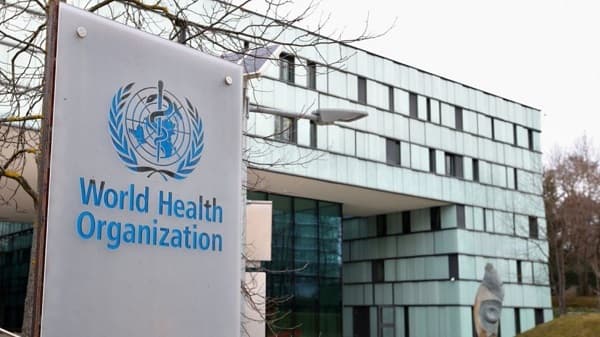
The World Health Organization (WHO) has prequalified the first malaria treatment specifically developed for newborns and young infants.
This came as the agency also announced the prequalification of three new rapid diagnostic tests (RDTs) on April 14, 2026, aimed at improving detection accuracy.
The announcement, made ahead of World Malaria Day on April 25, marks what the agency described as a step toward closing treatment gaps for vulnerable age groups.
The significance of the development is underscored by WHO estimates that about 30 million babies are born each year in malaria-endemic regions of Africa, many of whom lack access to age-appropriate treatment.
The newly approved medicine, artemether-lumefantrine, is designed for infants weighing between two and five kilograms.
Advertisement
300x250
WHO said the prequalification confirms that the treatment meets international standards for quality, safety and efficacy, allowing it to be procured by public health systems.
“For centuries, malaria has stolen children from their parents, and health, wealth and hope from communities. But today, the story is changing.
"New vaccines, diagnostic tests, next-generation mosquito nets and effective medicines, including those adapted for the youngest, are helping to turn the tide.
"Ending malaria in our lifetime is no longer a dream – it is a real possibility, but only with sustained political and financial commitment. Now we can. Now we must,” said WHO Director-General, Dr Tedros Adhanom Ghebreyesus.
WHO said the development addresses a longstanding gap in malaria treatment for infants, who have historically been treated with medicines designed for older children, increasing risks of incorrect dosing and adverse effects.
Furthermore, WHO also announced the prequalification of three new rapid diagnostic tests (RDTs) on April 14, 2026, aimed at improving detection accuracy.
The agency said existing tests for Plasmodium falciparum largely rely on detecting a protein known as HRP2.
Advertisement
300x250
However, studies across 46 countries have shown that some malaria parasite strains have lost the gene responsible for producing this protein, making them undetectable by standard tests.
“In countries in the Horn of Africa, up to 80% of cases were missed, leading to delayed treatment, severe illness, and even death,” WHO said.
Read Also: Scottish firm enters Nigeria
The newly approved tests target an alternative protein, pf-LDH, which the parasite cannot easily eliminate, providing what WHO described as a more reliable diagnostic option in affected areas.
WHO now recommends that countries adopt these alternative tests where more than five per cent of cases are missed due to HRP2-related detection failures, noting that accurate diagnosis is critical to treatment and disease control.
Advertisement
300x250
The announcements coincide with the launch of the 2026 World Malaria Day campaign themed: “Driven to End Malaria: Now We Can. Now We Must.”
According to the World Malaria Report 2025, global malaria cases rose to an estimated 282 million in 2024, with about 610,000 deaths recorded, reflecting an increase from the previous year.
WHO said that although 47 countries have been certified malaria-free and 37 reported fewer than 1,000 cases in 2024, overall progress has slowed due to challenges such as drug resistance, insecticide resistance, diagnostic gaps and declining international funding.
Despite these setbacks, the agency noted that since 2000, an estimated 2.3 billion infections have been prevented and 14 million lives saved globally.
It added that 25 countries are currently rolling out malaria vaccines, while next-generation mosquito nets account for 84 per cent of new distributions, underscoring ongoing efforts to control the disease.