Plateau killings
•Peace will remain elusive until perpetrators of violence are publicly identified and punished It is troubling that the gunmen who attacked the Angwan Rukuba community in the Jos North Local
•Peace will remain elusive until perpetrators of violence are publicly identified and punished
- By Our Reporters
It is troubling that the gunmen who attacked the Angwan Rukuba community in the Jos North Local Government Area of Plateau State, on the evening of March 29, are still at large. “We’ve not been able to lay hands on the attackers yet to know their identities and their motive,” Governor Caleb Mutfwang said.
He called the attack, which reportedly claimed the lives of at least 27 people, “barbaric” and “an act of criminality.”
The attackers reportedly wore military camouflage and rode on motorcycles; and residents initially thought they were security agents. “Before we knew what was happening, they had started shooting sporadically. They killed many people and fled,” a resident was quoted as saying.
Advertisement
300x250
A 48-hour curfew was initially imposed on Jos North. As of April 1, it was relaxed to a 7 a.m. to 3 p.m. window to allow residents to buy food, though tension remains extremely high.
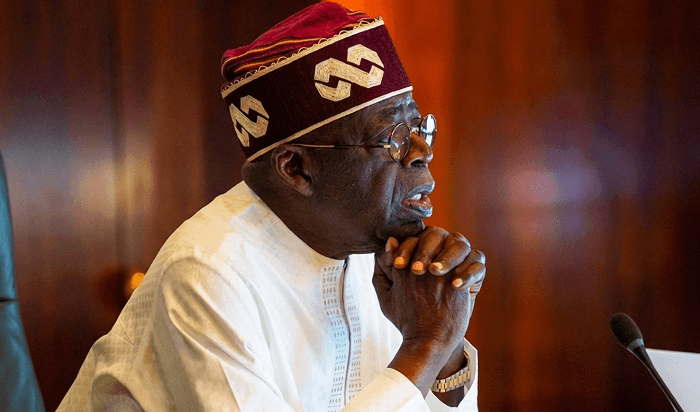
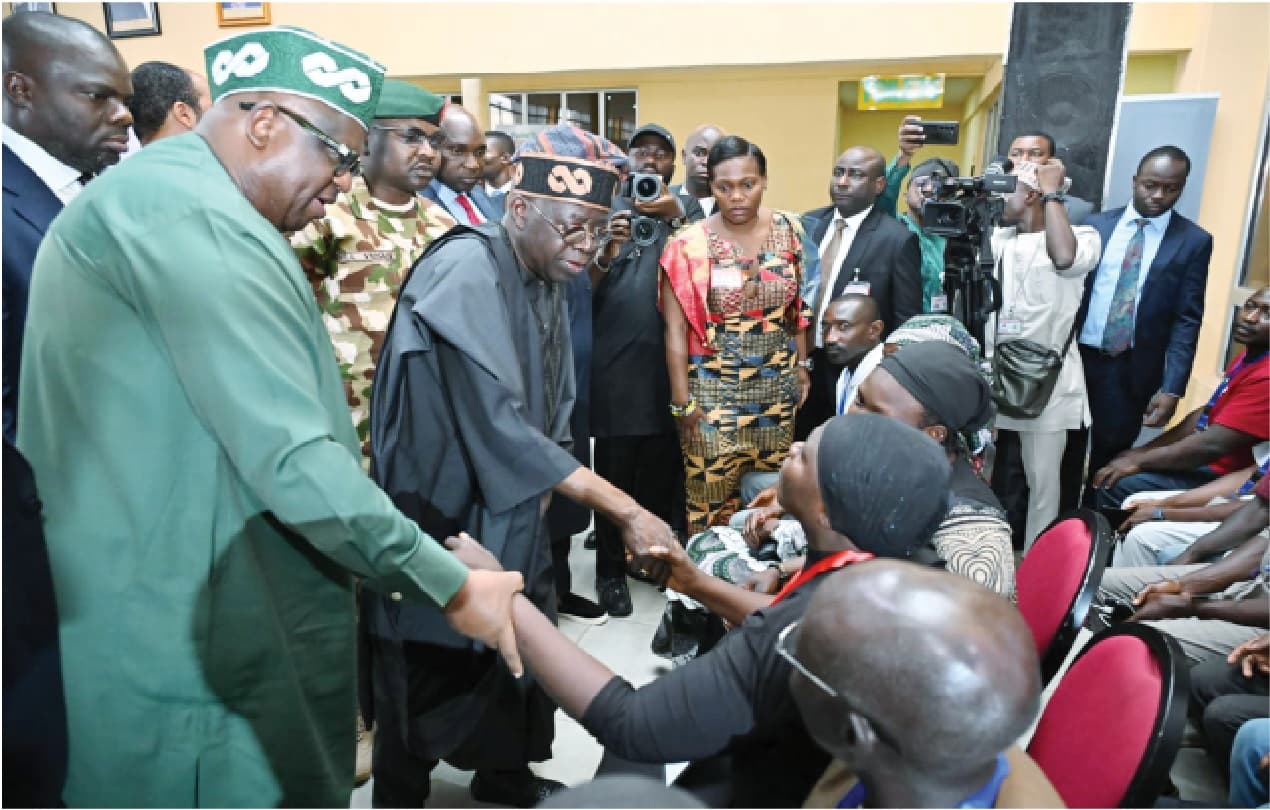
President Bola Tinubu empathetically adjusted his schedule -- postponing a planned trip to Ogun State -- to prioritise a visit to Jos on April 2, to commiserate with the government and people of Plateau State. His visit signals that the Federal Government is taking the “Plateau Case” seriously.
The Force Public Relations Officer, Anthony Placid, in a statement, said the Inspector-General of Police, Tunji Disu, had ordered the deployment of Police Mobile Force units to the state, including tactical teams and intelligence operatives, to prevent further breakdown of law and order. The statement added that the police boss also “instructed all operational commanders to ensure visible policing.”
Indeed, the security situation underscores the need for state police underpinned by robust intelligence gathering.
In addition, there is a need to integrate traditional and community leaders into the security architecture as they often have the best intelligence on “strangers” or “infiltrators” entering their domains.
Read Also: Compound 27 hits screens with humor, heart, and everyday Nigerian stories
Advertisement
300x250
While the Palm Sunday attack was the spark, the crisis is part of a deeper, protracted conflict in Plateau State. Much of the violence in the Middle Belt is tied to competition over land and water resources between predominantly Christian agrarian communities and predominantly Muslim pastoralists. The authorities must find answers to the “land question” in the context of the farmer-herder conflict.
There are also ethno-religious tensions. Jos has a history of “indigene vs. settler” friction. Because the victims of the recent attack were in a predominantly Christian neighbourhood during a holy week, the incident quickly took on religious undertones, heightening the risk of reprisal attacks.
Notably, Governor Mutfwang last year set up a committee to study the crisis and recommend solutions, which discovered that the crisis had claimed the lives of about 11,000 people in the last two decades.
Solving the crisis in Plateau State requires a shift from “emergency response” to addressing the deep-seated structural issues that have fuelled violence for decades.
Commendably, the Federal Government has announced the acquisition of advanced tracking equipment to “smash” criminal networks in real-time. This aims to move away from reactive policing to proactive prevention.
Advertisement
300x250
Residents and analysts are calling for the establishment of permanent military/police “Forward Operating Bases” in flashpoint areas like Angwan Rukuba and Bokkos, rather than temporary patrols that leave after a few weeks.
Importantly, the authorities cannot claim ignorance regarding the identities and motives of the attackers for much longer. Failure to arrest and prosecute the perpetrators would undermine the government’s commitment to justice.
A major grievance in Plateau is the “culture of impunity” -- peace will remain elusive until those responsible for massacres are not just “condemned” but publicly prosecuted.
Dalyop Solomon Mwantiri, the National President of the Berom Youth Moulders Association (BYM) -- a prominent socio-cultural organisation in Plateau State -- noted that “the attackers have become so bold” because perpetrators are seldom prosecuted. This is the crux of the matter.